
Game-based learning uses games or game-like activities to help learners practise knowledge and skills. It can make learning more interactive through clear goals, feedback, challenges and repeated attempts. Its effectiveness depends on the learning objective, the quality of the activity and how well the game mechanics support what the learner is supposed to learn.
What is game-based learning?
In game-based learning, a game or game-like activity is part of the learning experience itself. A learner might solve problems, make decisions, practise a skill or apply knowledge while progressing through an activity.
This is related to, but different from, gamification. Gamification usually adds selected game elements—such as points, levels, achievements or progress indicators—to an activity that is not itself a game.
Why can games help people learn?
- Active participation: learners make decisions and respond to challenges instead of only consuming information.
- Frequent feedback: results can help learners identify mistakes and adjust their next attempt.
- Repeated practice: games can create low-stakes opportunities to try, fail and try again.
- Visible progression: goals and milestones can make the next step easier to understand.
- Problem-solving: well-designed activities can require learners to apply concepts rather than simply recall them.
These features do not automatically make a game educational. A useful learning activity needs a clear relationship between the challenge and the knowledge or skill being developed.
Is game-based learning better than traditional learning?
Not in every situation. Lectures, reading, demonstrations, discussion, projects and games can all be useful depending on the subject and learner. Game-based learning is most useful when interaction, practice and feedback genuinely contribute to the learning goal rather than being added only for entertainment.
Game-based learning vs. play-based learning
Game-based learning normally uses a structured game or game-like activity with learning objectives. Play-based learning is broader and can include exploration, imagination and learner-directed play without the same formal game structure. Our article on Homo Ludens and play-based learning explores the wider relationship between play, culture and learning.
How do browser games fit into learning?
Browser-based games can reduce friction because learners can open an activity through the web without installing a traditional desktop application. They can support puzzles, simulations, coding activities and other interactive experiences. See our guide to browser games for learning.
A technology-learning example: TechTitans Cloud
TechTitans Cloud is one example of a technology-learning platform that combines video lessons, quizzes, practical activities and game-style progression across creative-technology subjects.
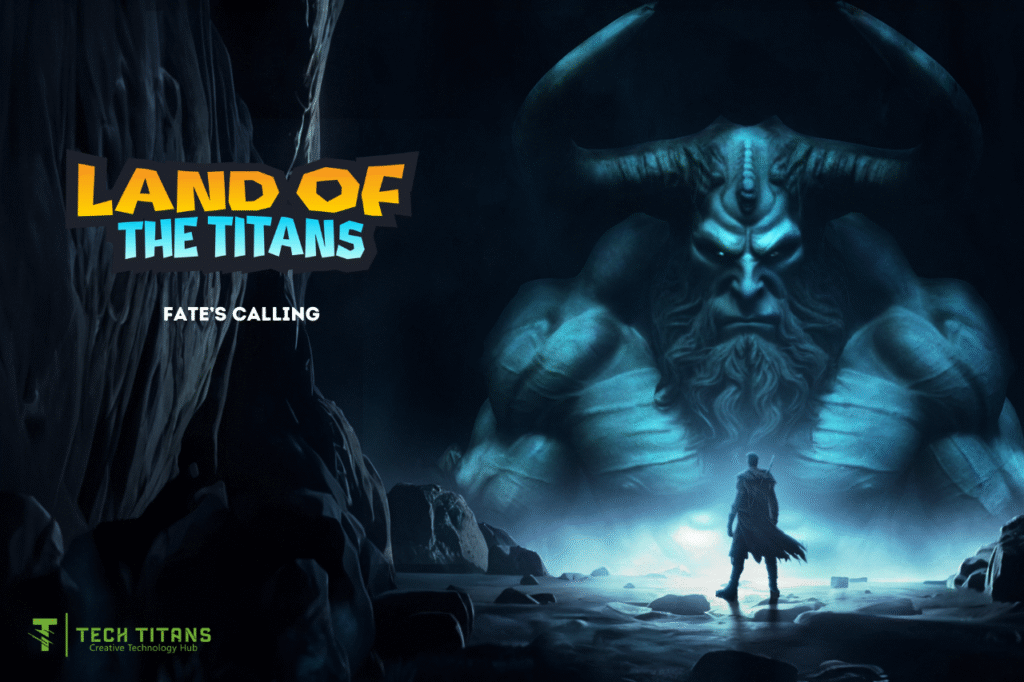
Its Land of the Titans experience illustrates one way a game environment can be connected with Unity and game-development learning. It is an example of the approach rather than evidence that one learning model is best for every learner.
What should educators look for in an educational game?
- A clear learning objective
- Challenges that require practice of the intended skill
- Feedback that helps learners understand mistakes
- Difficulty that progresses at an appropriate pace
- Accessibility and usability for the intended learners
- A way to connect game performance with actual understanding
Key takeaway
Game-based learning can make education more interactive by creating structured opportunities to practise, receive feedback and try again. The important question is not whether a lesson looks like a game, but whether the game mechanics help learners develop the intended knowledge or skill.